Minggu, 16 Agustus 2015

adult history Change Agent Call for Writing about Race by Adult Learners - japraklupo

- Hallo sahabat fashion, Pada Artikel yang anda baca kali ini dengan judul , kami telah mempersiapkan artikel ini dengan baik untuk anda baca dan ambil informasi didalamnya. mudah-mudahan isi postingan Artikel Action Step, Artikel Change Agent, Artikel Democracy, Artikel Student Voices, yang kami tulis ini dapat anda pahami. baiklah, selamat membaca.

Judul : adult history Change Agent Call for Writing about Race by Adult Learners - japraklupo
link : adult history Change Agent Call for Writing about Race by Adult Learners - japraklupo

Baca juga


The Change Agent is a magazine for Adult Learners and Adult Educators.  It addresses issues that are important to Adult Learners.  Many of the articles are written by Adult Learners.

Here is information about their latest call for writing:

Write for Us!

The Change Agent features writing by adult learners. All submissions must be received by the deadline to be considered for publication. Suggested length is 200-1000 words. We pay $50 stipends to adult education students whose work is accepted for publication. All submissions are reviewed by our Editorial Board. Final decisions are made by The Change Agent Editor. Please see the current call for articles for more details about our current theme.

Click on the "read more" link to learn more.


Here is a PDF of the Call for articles Issue 42.

The deadline for submission is November 6, 2015.

Here are the details:

The Change Agent CALL FOR ARTICLES Race (Issue #42) YOU MUST include in all articles and emails the contact information for the student and/or the teacher. THEME: Race. We particularly invite adult learners to share their experiences in writing or with illustrations. Use one or two (not all!) of the following writing prompts to guide your writing:

SAMPLE QUESTIONS TO CONSIDER:

• What is race? Research this question. Use several sources to back up your claims. Draw from science as well as sociology. Cite your sources.

• Does race have special meaning in the U.S.? If so, what is it? Cite your sources.

• Explore the history of race in the U.S. Where does the idea of "race" come from? Cite your sources.

• If you are not from the U.S., does race have a different meaning in your country of origin? If so, describe it. • Do you think race has been used to divide people? If so, how? Who benefits from racial divisions? • Describe when you first became aware of race. Tell the story. Include details.

• Describe a way that you have experienced racism in an interpersonal situation -- for example, a racist comment made by a friend or co-worker.

• Describe a way that you have experienced institutional racism -- for example, being treated differently by police or the court system because of the color of your skin.

• The issue of black people being killed by police or dying in police custody has been in the news a lot lately. What are your reflections on this issue? • What is the #blacklivesmatter movement about? What do you think about it? • Explore what it means to be white in the U.S. If you are white, can you identify any privileges that you got as a result of being white? Can you tell any stories about how being white affected you? • What are the advantages and disadvantages of categorizing people by race? • What do you celebrate about your race? All articles must be received by November 6, 2015. Include in all articles and emails the contact information for the student and/or the teacher. Final decisions are made by The Change Agent editorial board. A $50 stipend will be paid to each adult education student whose work is accepted
for publication.

Please send material (preferably by email) to:

Cynthia Peters, World Education, 44 Farnsworth St., Boston, MA 02210
Phone: 617-482-9485 fax: 617-482-0617;
email: cpeters@worlded.org.

The mission of The Change Agent is to provide news, ideas, and other teaching resources that inspire and enable adult educators and learners to make civic participation and social justice concerns part of their teaching and learning.

http://changeagent.nelrc.org/


Here is more information about the Change Agent:

The Change Agent is a biannual magazine for adult educators and learners published by the New England Literacy Resource Center (NELRC) at World Education.

The Change Agent was conceived in 1994 as a tool to help teachers and learners apply advocacy skills in response to impending federal funding cutbacks for adult education. The first issue was so well received that we continued to produce more issues. Now well established as a unique publication within the adult education community, The Change Agent continues to promote social action as an important part of the adult learning experience.

Our mission is to provide a low-cost teaching resource that features writings by adult learners and inspires adult educators and learners to make civic participation and social justice part of their teaching and learning. Each issue explores a different topic through student writing, news articles, opinion pieces, classroom activities, poems, graphics, and cartoons. Our website includes many additional resources, including audio versions of articles, leveled texts, links between specific Change Agent articles and the College and Career Readiness Standards, and extra resources for each issue.

The Change Agent has a circulation of 16,000 and is available in paper and online, at individual or bulk subscription levels. It is distributed at a reduced rate to NELRC member states. To find out more, contact your state literacy resource center.

Selasa, 11 Agustus 2015

adult history Some Advice from CCAE - japraklupo

- Hallo sahabat fashion, Pada Artikel yang anda baca kali ini dengan judul , kami telah mempersiapkan artikel ini dengan baik untuk anda baca dan ambil informasi didalamnya. mudah-mudahan isi postingan Artikel AB86, Artikel CCAE, Artikel K-12 Adult Ed, Artikel MOC, Artikel MOE, yang kami tulis ini dapat anda pahami. baiklah, selamat membaca.

Judul : adult history Some Advice from CCAE - japraklupo
link : adult history Some Advice from CCAE - japraklupo

Baca juga


This was sent out August 8, 2015 to CCAE members:
Some Advice from CCAE
As some of you might have noticed the previous message was sent out last year.

(Note from Cynthia:  I deleted the post from this blog.) 

Seems like the important issues then are still the important issues now. Below is updated advice on MOE vs MOC which should be relevant to your current consortia conversations.As Adult Schools move into challenging conversations with our consortia partners we in CCAE realize that if we are to be successful providers of adult education services in this new world we must be successful within our consortia. As such CCAE will be providing advisories that are intended to give the best advice from state leaders of Adult Education within our organization. These advisories are not intended to represent state policy or Ed Code but rather guidance based on the most current information (laws and policies) available and best Adult Ed practices within the state. Our goal is to inform our members of options and recommendations that will ultimately provide the best services for our students and the best return on investment for our state.
MOE is NOT MOC (Maintenance of Effort is NOT Maintenance of Capacity)

Hit the "read more" link to learn more.

Although we worked successfully with and were appreciative of the Governor, Department of Finance and Legislature agreeing to help maintain the capacity of a fragile Adult Education system and providing K12 specific funding for such maintenance, it is important for all of us to keep in mind that the way Maintenance of Effort was determined based on expenditures in 2012-13 resulted in an actual DECREASE in true dollars for Adult Schools and could ultimately result in the erosion of capacity within our Adult Ed system. Specifically, the MOE calculation did not take into account increased costs over the last two years related to STRS, COLAs, salaries, and health care.  With this loss of revenue and the inability to charge fees for ESL, each Adult School will inevitably have to consider reducing programs and services if the costs are not addressed in some way.
So what should an Adult School do?
Since the MOE funding amounts per school district have already been determined, the remaining funds of the $500 million Adult Education Block Grant (AEBG) will be distributed to consortia and funding amounts for each member or partner will be determined within the consortia. Let us be clear - your MOE funds are not up for redistribution to other members but your agency is entitled to more funding from the additional consortia dollars. You should consider your MOE as a base funding amount which can then be added to through consortia dollars. In essence, there are two funding sources within the AEBG - MOE funds and consortia funds.
Considering the potential for an Adult School to lose a significant amount of capacity if the above mentioned costs are not addressed, it is recommended that each Adult School request funds be provided out of consortia dollars to supplement their MOE in order to maintain 2014-15 capacity levels. Once you have addressed this issue and are comfortable that your capacity is preserved the conversation can be shifted to increasing, improving, and streamlining services through your Adult School and what dollar amounts it will take out of consortia funds to accomplish this.
These might be delicate and uncomfortable conversations but keep in mind that non-Adult School members have had these costs addressed through separate, additional funding for their programs. Community Colleges for example continue to receive COLA and growth funding. Also keep in mind that Adult Schools are typically the less expensive provider of services and the most flexible and quickest to respond to address gaps in Adult Education services. You come to the table with a lot to offer so don't cut your school short when it comes to requesting an appropriate share of the consortia dollars.

Kamis, 06 Agustus 2015

adult history Perspective: Kristen Pursley on the Issue of Fees for Adult Education - japraklupo

- Hallo sahabat fashion, Pada Artikel yang anda baca kali ini dengan judul , kami telah mempersiapkan artikel ini dengan baik untuk anda baca dan ambil informasi didalamnya. mudah-mudahan isi postingan Artikel CCAE, Artikel cosas, Artikel fees, Artikel K12 and CC Coordination, Artikel Perspective, yang kami tulis ini dapat anda pahami. baiklah, selamat membaca.

Judul : adult history Perspective: Kristen Pursley on the Issue of Fees for Adult Education - japraklupo
link : adult history Perspective: Kristen Pursley on the Issue of Fees for Adult Education - japraklupo

Baca juga


Kristen Pursley
COSAS
 Communities Organized
to Support Adult Schools
The following is a perspective piece from Kristen Pursley, founding member of COSAS (Communities Organized to Support Adult Schools) and author of the Save Your Adult School Blog.   She is against charging fees for Adult Education.  She lays out her reasons for this and gives background on the topic in this letter to CCAE (California Council for Adult Education).


To: California Council for Adult Education (CCAE)
Dear CCAE,
As I renew my membership in CCAE, I wish to register my opposition to legislation that will lock in fees for adult school ESL and Citizenship classes.  As an ESL instructor in an adult school that has managed to survive without charging fees for these classes, I am very concerned that legislation allowing districts to  permanently charge for ESL and Citizenship  classes would greatly damage our program and shut many of our students out of an education.

Hit the "read more" link to learn more.

As recently as 2010, California law required that ESL and Citizenship classes be offered free. In 2011, as an emergency response to the budget crisis of 2008 and the  resulting severe defunding of adult schools, the state passed legislation, which CCAE supported, that temporarily allowed adult schools to charge for ESL and Citizenship classes. While the legislation as originally written would have allowed districts to charge permanently, it was amended to sunset on July 1st of this year.  As I recall, CCAE even supported the version of the bill that would have allowed charging permanently, though the bill did not pass in that form.
Ever since that legislation passed in 2011, I have been anxiously watching to see what would happen when it expired.  Here is a link to what I wrote about the legislation when it passed:  https://saveouradultschool.wordpress.com/2011/10/15/ab-189-has-become-law/
I stand by what I said at the time. Charging fees for adult school ESL and Citizenship classes is a blow to the principle of public education in California and shuts many of the most vulnerable immigrants out of access to basic literacy services.  Under the new legislation governing California adult schools, AB104/SB77, we have a mandate to eliminate barriers to adult education for our students. Charging fees for ESL and Citizenship classes erects a barrier rather than taking one down.  We need to find ways to eliminate fees, not make them permanent.
Our adult school actually tried to charge fees briefly, but it was simply unworkable with our model.  We are located in a financially distressed urban area, where many of our ESL students are low income and have limited access to transportation.  We accommodate them by offering classes at sites throughout the community, so that our students can walk to school and attend classes in their own neighborhoods.  We offer classes at 15 off-campus sites; many of our classes take place at elementary schools in the district. Most of the schools where we offer classes are Title I schools, which means more than 50% of the families are eligible for a free or reduced price lunch.  At many of the schools where we have classes, the percentage of families eligible for free or reduce price lunch is more like 80 or 90 per cent.
In addition to effectively providing access to English classes for our students, our model increases parent involvement in the schools and helps to implement the Full Service Community Schools model to which the two largest cities within our district, as well as the district itself, are committed.  But our experiment with charging fees was a disaster.  Having the teacher collect fees at the site would have been unsafe, so students were required to go to the main campus to register.  Many had no way to get to the main campus, and so were unable to enroll.  Desperate teachers piled students into their cars and drove them to the main campus, even though this is against school rules and incurred possible liability for the school.   Worse yet, our students were stigmatized because they had not been paying before.  Those who managed to make it to the main office were often treated badly by the office staff, who considered them freeloaders.  The chaos and poisonous atmosphere of that time are painful to recall.
Things got so bad that we stopped charging after six months.  And we survived.  We didn’t have to close our doors or even eliminate classes.  In six months, we collected about $20,000 in fees – probably not even enough to cover the cost of the extra clerical help needed to process them.
This is why I say that legislation that would permanently allow charges for ESL and Citizenship classes would damage our program.  Charging fees may work at adult schools where all classes take place at the same site.  Adult schools that have accommodated their students by providing classes at diversified sites are punished when they are expected to institute fees.  Adult schools in more well-to-do areas have an advantage when it comes to charging fees; they have more access to students who have the ability to pay.  Adult schools in low income areas lose students when they charge fees, even modest ones. Their students are shut out of educational opportunities, and the adult school loses federal WIOA funding due to lower enrollment, resulting in fewer payment points for the school.
The ability to charge fees quickly becomes a mandate to charge fees.  At our mid-term WASC review this year, the WASC representative asked us pointedly whether we charge fees for ESL classes and how we afford to offer classes without charging.  The subtext of this interchange was that it might go hard with us at our next WASC review if we still were not charging, even though we have been successfully offering ESL and Citizenship classes without charging for years.
The expectation that we charge fees for ESL and Citizenship classes could change the face of our program dramatically.  We would probably end up closing all classes that take place off campus, reducing the number of ESL classes we offer from 35 to 4.
I know there is an argument that charging for ESL classes causes students to value their classes more highly and take them more seriously.  My experience simply does not bear this out.  When we were charging for classes, we had two grant-funded classes for which we still did not charge.  Attendance and persistence for those two classes were excellent.  I also find that our immigrant students are highly responsible and hard working.  They hold down two or three jobs, raise families, often support families in the home country as well, and somehow find time to go to school.  The argument that we have to make them more responsible by charging them money, while undoubtedly well-meaning, strikes me as condescending.
Worse yet, if we adopt the idea that our adult school students, who tend to be in their late 20s to 40s, need to be taught responsibility like a bunch of 15-year-olds, this construction may blind us to the realities of their lives.  We may be prevented from creating solutions that would really allow struggling students to stay in school if we rely on charging money to solve everything.  Effective interventions like connecting students in difficult family situations to services, or making it easy for students to transfer to classes that fit their schedule when their work schedules suddenly change, may elude us if we think our students are feckless and assume that when they stop coming to school it is because they just don’t care because we didn’t charge them enough.
I hope adult schools that believe their student outcomes are better since they started charging fees will take a hard look at whether the improvement comes from excluding students who are harder to serve because they are struggling more.  The student with a highly erratic work schedule who gets in an education when she can, the student with a health issue that is draining his finances and sometimes prevents him from coming to school, the student with overwhelming family responsibilities who makes it to class whenever she can—these students are discouraged from trying to get an education by fees. Their absence may make the school’s data look good, but it does not improve the literacy rate in California.
I understand that the state government has basically made a hash of adult schools over the last eight years, and that we are all surviving the best we can.  We are struggling with a haphazard overhaul of adult education that has many grey areas, some contradictory mandates, and some badly thought out procedures such as a funding schedule that makes it very difficult to plan for the future.  For those adult schools that really need to charge fees a bit longer in order to survive, I would support a gradual phase-out of fees accompanied by vigorous advocacy to the state for adequate funding for adult school ESL and Citizenship programs.  But I cannot support legislation that would lock in fees permanently.
Under the Regional Consortia and the new laws governing adult education, we have a mandate to remove barriers to education for adults.  One barrier came down on July 1st of this year.  How can we, in good conscience, put it up again?
Sincerely,
Kristen Pursley
CC:
State Superintendent of Public Instruction Tom Torlakson
Senator Kevin de León, Senate President Pro Tempore
Assembly Member Toni G. Atkins, Speaker of the Assembly
Senator Carol Liu, Chair, Senate Education Committee
Assembly Member Patrick O’Donell, Chair, State Assembly Committee on Education
Assembly Member José Medina, Chair, Assembly Higher Education Committee
Assembly Member Luis Alejo, Chair, Latino Legislative Caucus
Assembly Member Das Williams, Chair, Asian and Pacific Islander Legislative Caucus
Senator Loni Hancock
Assembly Member Tony Thurmond

Kristen Pursley
COSAS
 Communities Organized
to Support Adult Schools
The following is a perspective piece from Kristen Pursley, founding member of COSAS (Communities Organized to Support Adult Schools) and author of the Save Your Adult School Blog.   She is against charging fees for Adult Education.  She lays out her reasons for this and gives background on the topic in this letter to CCAE (California Council for Adult Education).


To: California Council for Adult Education (CCAE)
Dear CCAE,
As I renew my membership in CCAE, I wish to register my opposition to legislation that will lock in fees for adult school ESL and Citizenship classes.  As an ESL instructor in an adult school that has managed to survive without charging fees for these classes, I am very concerned that legislation allowing districts to  permanently charge for ESL and Citizenship  classes would greatly damage our program and shut many of our students out of an education.

Hit the "read more" link to learn more.

As recently as 2010, California law required that ESL and Citizenship classes be offered free. In 2011, as an emergency response to the budget crisis of 2008 and the  resulting severe defunding of adult schools, the state passed legislation, which CCAE supported, that temporarily allowed adult schools to charge for ESL and Citizenship classes. While the legislation as originally written would have allowed districts to charge permanently, it was amended to sunset on July 1st of this year.  As I recall, CCAE even supported the version of the bill that would have allowed charging permanently, though the bill did not pass in that form.
Ever since that legislation passed in 2011, I have been anxiously watching to see what would happen when it expired.  Here is a link to what I wrote about the legislation when it passed:  https://saveouradultschool.wordpress.com/2011/10/15/ab-189-has-become-law/
I stand by what I said at the time. Charging fees for adult school ESL and Citizenship classes is a blow to the principle of public education in California and shuts many of the most vulnerable immigrants out of access to basic literacy services.  Under the new legislation governing California adult schools, AB104/SB77, we have a mandate to eliminate barriers to adult education for our students. Charging fees for ESL and Citizenship classes erects a barrier rather than taking one down.  We need to find ways to eliminate fees, not make them permanent.
Our adult school actually tried to charge fees briefly, but it was simply unworkable with our model.  We are located in a financially distressed urban area, where many of our ESL students are low income and have limited access to transportation.  We accommodate them by offering classes at sites throughout the community, so that our students can walk to school and attend classes in their own neighborhoods.  We offer classes at 15 off-campus sites; many of our classes take place at elementary schools in the district. Most of the schools where we offer classes are Title I schools, which means more than 50% of the families are eligible for a free or reduced price lunch.  At many of the schools where we have classes, the percentage of families eligible for free or reduce price lunch is more like 80 or 90 per cent.
In addition to effectively providing access to English classes for our students, our model increases parent involvement in the schools and helps to implement the Full Service Community Schools model to which the two largest cities within our district, as well as the district itself, are committed.  But our experiment with charging fees was a disaster.  Having the teacher collect fees at the site would have been unsafe, so students were required to go to the main campus to register.  Many had no way to get to the main campus, and so were unable to enroll.  Desperate teachers piled students into their cars and drove them to the main campus, even though this is against school rules and incurred possible liability for the school.   Worse yet, our students were stigmatized because they had not been paying before.  Those who managed to make it to the main office were often treated badly by the office staff, who considered them freeloaders.  The chaos and poisonous atmosphere of that time are painful to recall.
Things got so bad that we stopped charging after six months.  And we survived.  We didn’t have to close our doors or even eliminate classes.  In six months, we collected about $20,000 in fees – probably not even enough to cover the cost of the extra clerical help needed to process them.
This is why I say that legislation that would permanently allow charges for ESL and Citizenship classes would damage our program.  Charging fees may work at adult schools where all classes take place at the same site.  Adult schools that have accommodated their students by providing classes at diversified sites are punished when they are expected to institute fees.  Adult schools in more well-to-do areas have an advantage when it comes to charging fees; they have more access to students who have the ability to pay.  Adult schools in low income areas lose students when they charge fees, even modest ones. Their students are shut out of educational opportunities, and the adult school loses federal WIOA funding due to lower enrollment, resulting in fewer payment points for the school.
The ability to charge fees quickly becomes a mandate to charge fees.  At our mid-term WASC review this year, the WASC representative asked us pointedly whether we charge fees for ESL classes and how we afford to offer classes without charging.  The subtext of this interchange was that it might go hard with us at our next WASC review if we still were not charging, even though we have been successfully offering ESL and Citizenship classes without charging for years.
The expectation that we charge fees for ESL and Citizenship classes could change the face of our program dramatically.  We would probably end up closing all classes that take place off campus, reducing the number of ESL classes we offer from 35 to 4.
I know there is an argument that charging for ESL classes causes students to value their classes more highly and take them more seriously.  My experience simply does not bear this out.  When we were charging for classes, we had two grant-funded classes for which we still did not charge.  Attendance and persistence for those two classes were excellent.  I also find that our immigrant students are highly responsible and hard working.  They hold down two or three jobs, raise families, often support families in the home country as well, and somehow find time to go to school.  The argument that we have to make them more responsible by charging them money, while undoubtedly well-meaning, strikes me as condescending.
Worse yet, if we adopt the idea that our adult school students, who tend to be in their late 20s to 40s, need to be taught responsibility like a bunch of 15-year-olds, this construction may blind us to the realities of their lives.  We may be prevented from creating solutions that would really allow struggling students to stay in school if we rely on charging money to solve everything.  Effective interventions like connecting students in difficult family situations to services, or making it easy for students to transfer to classes that fit their schedule when their work schedules suddenly change, may elude us if we think our students are feckless and assume that when they stop coming to school it is because they just don’t care because we didn’t charge them enough.
I hope adult schools that believe their student outcomes are better since they started charging fees will take a hard look at whether the improvement comes from excluding students who are harder to serve because they are struggling more.  The student with a highly erratic work schedule who gets in an education when she can, the student with a health issue that is draining his finances and sometimes prevents him from coming to school, the student with overwhelming family responsibilities who makes it to class whenever she can—these students are discouraged from trying to get an education by fees. Their absence may make the school’s data look good, but it does not improve the literacy rate in California.
I understand that the state government has basically made a hash of adult schools over the last eight years, and that we are all surviving the best we can.  We are struggling with a haphazard overhaul of adult education that has many grey areas, some contradictory mandates, and some badly thought out procedures such as a funding schedule that makes it very difficult to plan for the future.  For those adult schools that really need to charge fees a bit longer in order to survive, I would support a gradual phase-out of fees accompanied by vigorous advocacy to the state for adequate funding for adult school ESL and Citizenship programs.  But I cannot support legislation that would lock in fees permanently.
Under the Regional Consortia and the new laws governing adult education, we have a mandate to remove barriers to education for adults.  One barrier came down on July 1st of this year.  How can we, in good conscience, put it up again?
Sincerely,
Kristen Pursley
CC:
State Superintendent of Public Instruction Tom Torlakson
Senator Kevin de León, Senate President Pro Tempore
Assembly Member Toni G. Atkins, Speaker of the Assembly
Senator Carol Liu, Chair, Senate Education Committee
Assembly Member Patrick O’Donell, Chair, State Assembly Committee on Education
Assembly Member José Medina, Chair, Assembly Higher Education Committee
Assembly Member Luis Alejo, Chair, Latino Legislative Caucus
Assembly Member Das Williams, Chair, Asian and Pacific Islander Legislative Caucus
Senator Loni Hancock
Assembly Member Tony Thurmond

Rabu, 29 Juli 2015

adult history CCAE Recommends: Maintain Relationships With Your Elected Representatives - japraklupo

- Hallo sahabat fashion, Pada Artikel yang anda baca kali ini dengan judul , kami telah mempersiapkan artikel ini dengan baik untuk anda baca dan ambil informasi didalamnya. mudah-mudahan isi postingan Artikel CCAE, Artikel Legislature, yang kami tulis ini dapat anda pahami. baiklah, selamat membaca.

Judul : adult history CCAE Recommends: Maintain Relationships With Your Elected Representatives - japraklupo
link : adult history CCAE Recommends: Maintain Relationships With Your Elected Representatives - japraklupo

Baca juga


In order to do their job, elected representatives need to hear from us.  After all, how can they represent us, if they don't know who we are, what we do, and what we need?  CCAE reminds us to help them help us by meeting with them during their August recess.

From CCAE Legislative News:

Dear CCAE Members,
 
All members of the US Senate and US House will be on recess during the entire month of August. Most of them will be back home meeting with constituents. While the summer is not the best time for us to organize visits with them the recess does provide a great opportunity to have our policy makers meet face to face with students/staff.

Hit the "read more" link to learn more.

 
These types of meeting are held in their state offices but are scheduled through their DC office. There is usually one person in each DC office that is in charge of scheduling.
 
We have found that the most successful meetings with Senators and House members have been made by a team of two local adult education directors and two or three carefully chosen students. The meetings are usually scheduled for about twenty minutes, enough time for each person on the adult education team to make a brief statement and allow the Senator/staff to ask questions.  While the goal of the meeting is to let the policy makers understand the numbers (enrollments, completions, etc.) for the programs represented,  the key is for them to hear the student stories.
  

Thanks,  
Sue Lytle Gilmore
CCAE President, Ph.D.


In order to do their job, elected representatives need to hear from us.  After all, how can they represent us, if they don't know who we are, what we do, and what we need?  CCAE reminds us to help them help us by meeting with them during their August recess.

From CCAE Legislative News:

Dear CCAE Members,

 
All members of the US Senate and US House will be on recess during the entire month of August. Most of them will be back home meeting with constituents. While the summer is not the best time for us to organize visits with them the recess does provide a great opportunity to have our policy makers meet face to face with students/staff.

Hit the "read more" link to learn more.

 
These types of meeting are held in their state offices but are scheduled through their DC office. There is usually one person in each DC office that is in charge of scheduling.
 
We have found that the most successful meetings with Senators and House members have been made by a team of two local adult education directors and two or three carefully chosen students. The meetings are usually scheduled for about twenty minutes, enough time for each person on the adult education team to make a brief statement and allow the Senator/staff to ask questions.  While the goal of the meeting is to let the policy makers understand the numbers (enrollments, completions, etc.) for the programs represented,  the key is for them to hear the student stories.
  

Thanks,  
Sue Lytle Gilmore
CCAE President, Ph.D.


Kamis, 23 Juli 2015

adult history Mario Gomez: From ESL Student to High School Diploma - with Hard Work, Dedication, and San Mateo Adult School - japraklupo

- Hallo sahabat fashion, Pada Artikel yang anda baca kali ini dengan judul , kami telah mempersiapkan artikel ini dengan baik untuk anda baca dan ambil informasi didalamnya. mudah-mudahan isi postingan Artikel San Mateo Adult School, Artikel Student Voices, yang kami tulis ini dapat anda pahami. baiklah, selamat membaca.

Judul : adult history Mario Gomez: From ESL Student to High School Diploma - with Hard Work, Dedication, and San Mateo Adult School - japraklupo
link : adult history Mario Gomez: From ESL Student to High School Diploma - with Hard Work, Dedication, and San Mateo Adult School - japraklupo

Baca juga


Mario Gomez graduated in June with a High School Diploma story.  His story, here in his own words, is powerful testament to the strength of himself and his family and the value of Adult Education.

My name is Mario Gomez, and I firmly believe that the importance of education is something that we learn at the young age.

I came from a humble family in Guatemala. Neither of my parents had an opportunity to attend high school, and faced many struggles in their lives. When I was five years old my single mother left me with my relatives in Guatemala, and she decided to come looking for better opportunities in the United States. Even though I spent most of my childhood without my parents, I never felt alone because I had the love of my relatives. They made a commitment early in my life to do everything in the correct way within their power to instill in me a love of learning and an understanding of the importance of hard work and dedication.

My childhood was not easy, but I overcame all the bad moments to gain more life experiences, and all my mistakes were lessons. I moved to the United States in 2008 at the age of 22, and everything was so different from my country and it was a new challenge in my life. My main concern was, where I could learn English? My mother told me about the San Mateo Adult School and its great programs and she encouraged me to attend the English classes. When I started to attend the school, I was afraid to communicate, but I learned that I am the only person responsible for my success. I remember when one of my teachers told me, “Mario, no matter how many mistakes you make or how slow you progress. You are still way ahead of everyone who isn’t trying. You have to fight through some bad days to earn the best days of your life.”


Those words inspired to keep going in school. At the same time, I met great teachers in the school who believed in my potential and they always encouraged me to pursue my dreams.

Once I completed my studies in the ESL program, l decided to take the opportunity to enroll in the High School Diploma Program. During my long path in the high school diploma, I learned the importance of studying, hard work and dedication. Also inspired me to help the school by serving on the student council as board member because I wanted to give back what the school has done for me.

One of my childhood dreams is to work for a company or organization that helps people and I decided that my next goal is to study psychology or nursing at Cañada College because “I want to help and inspire people because people will rarely remember what you did for them, but they will always remember how you made them feel, and I learn from my own experience that life is not about making others happy; life is about sharing your happiness with others. “
 
Mario and Mr. T
Family, teachers, school administrators, friends and of course my fellows graduates, I want to thank you all of you for support that you have given us to reach this point in our lives. We couldn’t have done it without you. Thank you and I wish you the best in your near future.


Senin, 13 Juli 2015

adult history Guidelines for Navigating New Waters - japraklupo

- Hallo sahabat fashion, Pada Artikel yang anda baca kali ini dengan judul , kami telah mempersiapkan artikel ini dengan baik untuk anda baca dan ambil informasi didalamnya. mudah-mudahan isi postingan Artikel AB86, Artikel New Rules, Artikel Older Adults, Artikel Parent Ed, Artikel Tracking, Artikel Transparency, yang kami tulis ini dapat anda pahami. baiklah, selamat membaca.

Judul : adult history Guidelines for Navigating New Waters - japraklupo
link : adult history Guidelines for Navigating New Waters - japraklupo

Baca juga


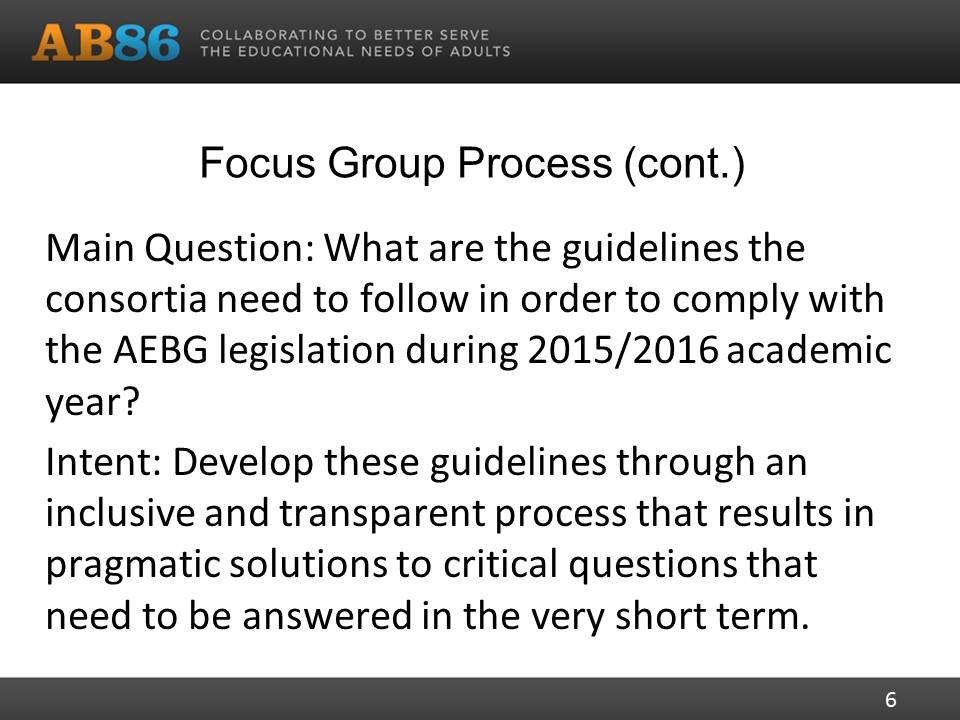
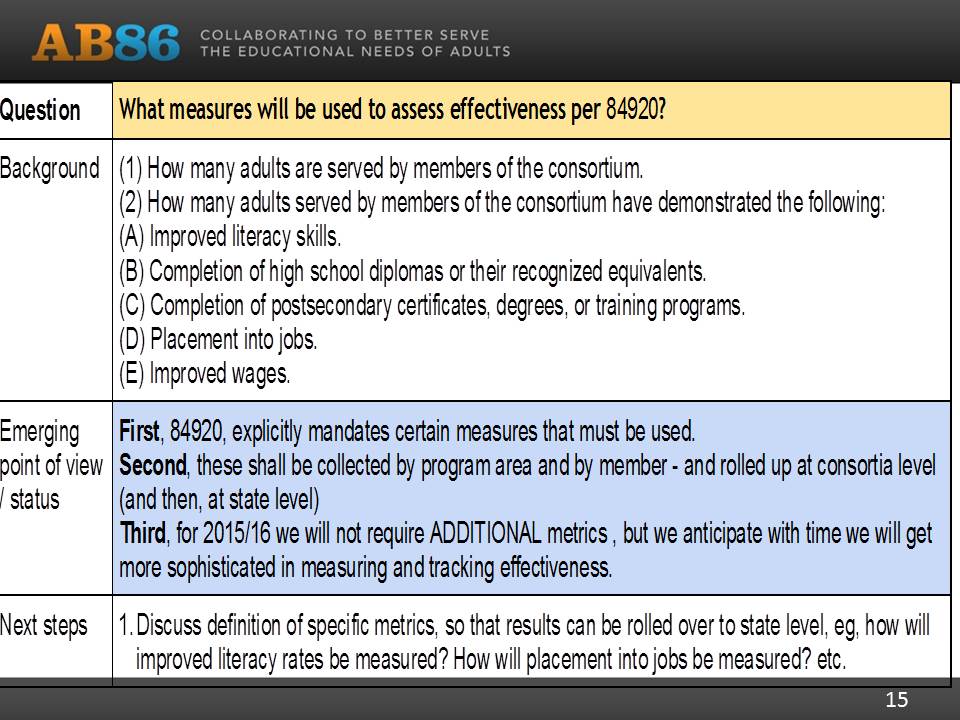
The July 10, 2015 Technical Webinar had a lot of helpful information to help guide us through new waters we're sailing through.

Implementation Focus Group's Draft Guidelines
        
     Listen to the Recording


The July 10, 2015 Technical Webinar had a lot of helpful information to help guide us through new waters we're sailing through.

Implementation Focus Group's Draft Guidelines
        
     Listen to the Recording


Sabtu, 11 Juli 2015

adult history GED and High School Diploma Success Stories - japraklupo

- Hallo sahabat fashion, Pada Artikel yang anda baca kali ini dengan judul , kami telah mempersiapkan artikel ini dengan baik untuk anda baca dan ambil informasi didalamnya. mudah-mudahan isi postingan Artikel GED and HS Diploma, Artikel San Mateo Adult School, Artikel Student Voices, yang kami tulis ini dapat anda pahami. baiklah, selamat membaca.

Judul : adult history GED and High School Diploma Success Stories - japraklupo
link : adult history GED and High School Diploma Success Stories - japraklupo

Baca juga


From San Mateo County Times (July 2015) Columnist Carolyn Livengood,
a story of why Adult Education matters:
Proud San Mateo Adult School 2015 Graduates
Photo Credit: Tom Jung

San Mateo Adult School awards 44 high school diplomas, 31 GED certificates

San Mateo Adult School awarded 44 high school diplomas and 31 GED certificates at its annual graduation ceremony held June 17 for graduates ranging in age from 17 to 51 years old this year.


Mr. T and Graduate
Photo Credit:  Tom Jung
About 180 people, including 24 of the 75 total graduates, attended the annual graduation ceremony held June 17 at the College of San Mateo. Graduate Rebeca Zuleta, who earned two scholarships, and Director Lawrence "Larry" Teshara, known affectionately as "Mr. T" by the students, welcomed them to the event.

The adult school, part of the San Mateo Union High School District, is at The SMART Center in San Mateo. Scholarship awards, totaling $15,050 were presented to 15 students. The winners, their city of residence, and their scholarship donors are:

* Rebeca Zuleta, of Fremont (formerly San Mateo), John and Lisa Nelson.
* Megan Tzoc, Burlingame, William E. and Janet J. Price.
* Jose Pina, Redwood City, San Mateo Masonic Lodge #226.
* Marlon Ticas, San Bruno, Burlingame Masonic Lodge No. 400.
* Debra Benavides, Redwood City; Martha Contreras, San Mateo; Carmen Rivera, Burlingame; and Rebeca Zuleta; Burlingame Bodies of the Ancient & Accepted Scottish Rite of Freemasonry.
* Nathan Nack, San Mateo, Jenny Bratton/GED.
* Mario Gomez, San Mateo, Rotary Club of Foster City.
* Felipe Diaz Vega, San Mateo; Ai-Chu Huang, Millbrae. and Darlyng Lopez, San Bruno; Lynda Mathe Memorial;
* Brian Zamora, San Mateo, Steven Paul Friedman Foundation.
* Isabella Cavett, Belmont, Golden Gate Commandery No.16.
* Fernando Zelaya, San Mateo, Shipman Family (in honor of Lawrence Teshara).


Mario Gomez speaking at Graduation 2015
Photo Credit:  Tom Jung
The student speakers, who shared their stories of overcoming challenges in their life in order to graduate, were: Mario Gomez, Debra Benavides, Jose Pina, Brian Zamora, Isabella Cavett, and Fernando Zelaya.

"The San Mateo Adult School provided an alternative for me at a point in my life when I thought all else was gone," Fernando Zelaya said. "I recently moved from Mississippi to California to finish up my last year of school. I started my senior year attending San Mateo High School.

"I never had the problem of attending school, but this year nothing seemed to go right for me, especially at home. Adapting to a new school, new classmates, new family members, and having to work to pay bills, all these challenges coming my way and I didn't know what to do. My grades were significantly going down, my attendance was getting worse by the weeks, and stress was getting worse by the day.
Graduate speaking
Photo Credit:  2015

"Soon I was called by the counselor of my school to talk about my situation. I was given the opportunity to finish my work on my own times. After a few weeks of attending, I realized I wasn't the only one with personal problems there. I saw the determination in each one of us. I saw that no matter what was happening outside of school, we were still going to strive for our success. Along with the awesome staff at San Mateo Adult School working hard to help us achieve our goals, I think I can say that we have made it here today."


Robert Graffin and Graduate Mario Gomez
Photo Credit:  Tom Jung

Robert Griffin, clerk, San Mateo Union High School District board of trustees, gave closing remarks to the graduates.


From San Mateo County Times (July 2015) Columnist Carolyn Livengood,
a story of why Adult Education matters:

Proud San Mateo Adult School 2015 Graduates
Photo Credit: Tom Jung

San Mateo Adult School awards 44 high school diplomas, 31 GED certificates

San Mateo Adult School awarded 44 high school diplomas and 31 GED certificates at its annual graduation ceremony held June 17 for graduates ranging in age from 17 to 51 years old this year.


Mr. T and Graduate
Photo Credit:  Tom Jung
About 180 people, including 24 of the 75 total graduates, attended the annual graduation ceremony held June 17 at the College of San Mateo. Graduate Rebeca Zuleta, who earned two scholarships, and Director Lawrence "Larry" Teshara, known affectionately as "Mr. T" by the students, welcomed them to the event.

The adult school, part of the San Mateo Union High School District, is at The SMART Center in San Mateo. Scholarship awards, totaling $15,050 were presented to 15 students. The winners, their city of residence, and their scholarship donors are:

* Rebeca Zuleta, of Fremont (formerly San Mateo), John and Lisa Nelson.
* Megan Tzoc, Burlingame, William E. and Janet J. Price.
* Jose Pina, Redwood City, San Mateo Masonic Lodge #226.
* Marlon Ticas, San Bruno, Burlingame Masonic Lodge No. 400.
* Debra Benavides, Redwood City; Martha Contreras, San Mateo; Carmen Rivera, Burlingame; and Rebeca Zuleta; Burlingame Bodies of the Ancient & Accepted Scottish Rite of Freemasonry.
* Nathan Nack, San Mateo, Jenny Bratton/GED.
* Mario Gomez, San Mateo, Rotary Club of Foster City.
* Felipe Diaz Vega, San Mateo; Ai-Chu Huang, Millbrae. and Darlyng Lopez, San Bruno; Lynda Mathe Memorial;
* Brian Zamora, San Mateo, Steven Paul Friedman Foundation.
* Isabella Cavett, Belmont, Golden Gate Commandery No.16.
* Fernando Zelaya, San Mateo, Shipman Family (in honor of Lawrence Teshara).


Mario Gomez speaking at Graduation 2015
Photo Credit:  Tom Jung
The student speakers, who shared their stories of overcoming challenges in their life in order to graduate, were: Mario Gomez, Debra Benavides, Jose Pina, Brian Zamora, Isabella Cavett, and Fernando Zelaya.

"The San Mateo Adult School provided an alternative for me at a point in my life when I thought all else was gone," Fernando Zelaya said. "I recently moved from Mississippi to California to finish up my last year of school. I started my senior year attending San Mateo High School.

"I never had the problem of attending school, but this year nothing seemed to go right for me, especially at home. Adapting to a new school, new classmates, new family members, and having to work to pay bills, all these challenges coming my way and I didn't know what to do. My grades were significantly going down, my attendance was getting worse by the weeks, and stress was getting worse by the day.
Graduate speaking
Photo Credit:  2015

"Soon I was called by the counselor of my school to talk about my situation. I was given the opportunity to finish my work on my own times. After a few weeks of attending, I realized I wasn't the only one with personal problems there. I saw the determination in each one of us. I saw that no matter what was happening outside of school, we were still going to strive for our success. Along with the awesome staff at San Mateo Adult School working hard to help us achieve our goals, I think I can say that we have made it here today."


Robert Graffin and Graduate Mario Gomez
Photo Credit:  Tom Jung

Robert Griffin, clerk, San Mateo Union High School District board of trustees, gave closing remarks to the graduates.